


On this route
Guatemala's three headline places sit in three different worlds. Antigua is a colonial grid at 1,545 m under three volcanoes. Lake Atitlan is a caldera lake at 1,562 m ringed by Maya villages that connect by boat. Tikal is a Maya city in the lowland jungle of the Peten, 300 km north of the capital, where January afternoons reach 29°C while the highlands drop to 11°C at night. A ten-day trip can hold all three without rushing, but only if you accept two things up front: the Peten is reached by a short domestic flight rather than a twelve-hour bus, and the last night is spent back near the airport rather than at the lake.
This plan gives Antigua three nights, Lake Atitlan three, Flores two, and a final positioning night in Antigua, with every transfer built on published shuttle, boat and tour times checked on 22 September 2026 for a November to March trip. It also costs the alternatives in nights: the bus instead of the flight, the Acatenango overnight instead of a Pacaya morning, the version without Tikal, and why Semuc Champey does not fit. Nothing here is a personal travel memory; it is a route assembled from operator pages, government advisories and climate normals, with the sources listed at the end.
- Duration
- 10 days / 9 nights
- Bases
- 3 (Antigua 3, Lake Atitlan 3, Flores 2) plus a last night in Antigua
- Transport
- Shared shuttles, public lake boats, two internal flights, tour transfers to the volcanoes and Tikal
- Pace
- Balanced, with the market day and the volcano day as the flexible slots
- Best season
- November to March (dry season)
The short answer: three bases, one flight each way, one positioning night
Ten days is enough for Antigua, the lake and Tikal if you fly between the highlands and the Peten. Guatemala City to Flores is a domestic hop flown by TAG Airlines and Avianca Guatemala, and it was the eighth busiest route from La Aurora airport in 2024 with about 350,000 passengers. The road alternative is a shuttle of about twelve hours (the operator's figure for the Flores to Antigua direction) or a night bus from Flores, which is how the Peten was reached before the flights became routine and which still makes sense for some travellers. Take the bus and you lose a full daylight day in each direction; take the flight and the whole Peten leg costs two nights.
The second decision is where to sleep on the last night. Antigua is 1.5 hours from the airport by shared shuttle, with departures from 04:00, so it works for any flight after about 09:00. Anyone leaving earlier should sleep in Guatemala City's zone 10 or 13, the hotel districts where the shuttles drop off and Uber operates. The lake is 6.5 hours from the airport by shared shuttle and does not work as a final base at all.
Bases and nights
- Antigua 3 nights (days 1 to 3)
- Lake Atitlan (Panajachel) 3 nights (days 4 to 6)
- Flores 2 nights (days 7 and 8)
- Antigua 1 night (day 9)

Before you book: the facts that shape this route
- Flights from North America. Nonstops to Guatemala City are listed from Dallas/Fort Worth, Miami, Houston, Chicago, Los Angeles, Newark, Atlanta, Fort Lauderdale, New York JFK and Montreal, with Toronto starting on 1 December 2026 (airline destination table, secondary source; check your carrier). Guatemala is on UTC-6 all year, so there is no jet lag to plan around from most of the continent.
- Entry. Canadian and British visitors get up to 90 days without a visa (Canada and FCDO advice); US and EU citizens are on the same 90-day exemption list (Guatemala's visa policy as summarised on Wikipedia; confirm with your own government's page). The passport must be valid for six months and have two blank pages. The 90 days are shared across the CA-4 countries (Guatemala, El Salvador, Honduras, Nicaragua).
- Advisories, stated plainly. On 22 September 2026 the US State Department advisory was Level 3, Reconsider Travel; Canada advises a high degree of caution with regional advisories; the UK FCDO advises against all but essential travel only near the Mexican border and in three Huehuetenango towns, none of them on this route. All three say the same practical things: use tourist shuttles, hotel or radio taxis and Uber where it operates, avoid the local chicken buses, and stay on the main roads. The FCDO notes that robberies have occurred on the tourist routes between Guatemala City, Antigua, Tikal and the lake, which is the reason this plan uses scheduled shared shuttles in daylight.
- Volcano status. Volcan de Fuego, the active cone next to Antigua, erupted on 3 and 4 August 2026 with pyroclastic flows and evacuations, and Pacaya has been in unrest since early 2026. Both hikes were on sale in September 2026, but the decision belongs to INSIVUMEH (the volcanology institute) and CONRED (the disaster agency) on the day, and the plan keeps the volcano day swappable.
- Money. About Q7.6 to the US dollar in September 2026. Tikal has no ATMs, the FCDO warns about tampered cash machines, and the shuttle operators quote in US dollars while boats and market stalls take quetzales.
- Health. The CDC recommends malaria prophylaxis for the Peten but not for Antigua, Guatemala City or Lake Atitlan; talk to a travel clinic about the two Tikal nights.
Day by day
Day 1: land, shuttle to Antigua
La Aurora airport sits inside Guatemala City. Do not stay there on arrival unless your flight lands after about 21:00: Antigua is 35 km and 1.5 hours away, and the shared shuttle operator Atitrans runs from the airport and the zone 10 and 13 hotels at 06:00, 09:30, 11:00, 13:30, 16:30, 19:30 and 21:30 for about US$18, with a private car at US$75. Book it before you fly so the driver is waiting; the arrivals hall also has INGUAT's prepaid taxi desk if you prefer that. Antigua's grid is small, and the Parque Central and the Santa Catalina Arch are a short walk from most hotels in it if there is light left. Sunset in mid-January is 17:54.
Day 2: Antigua on foot
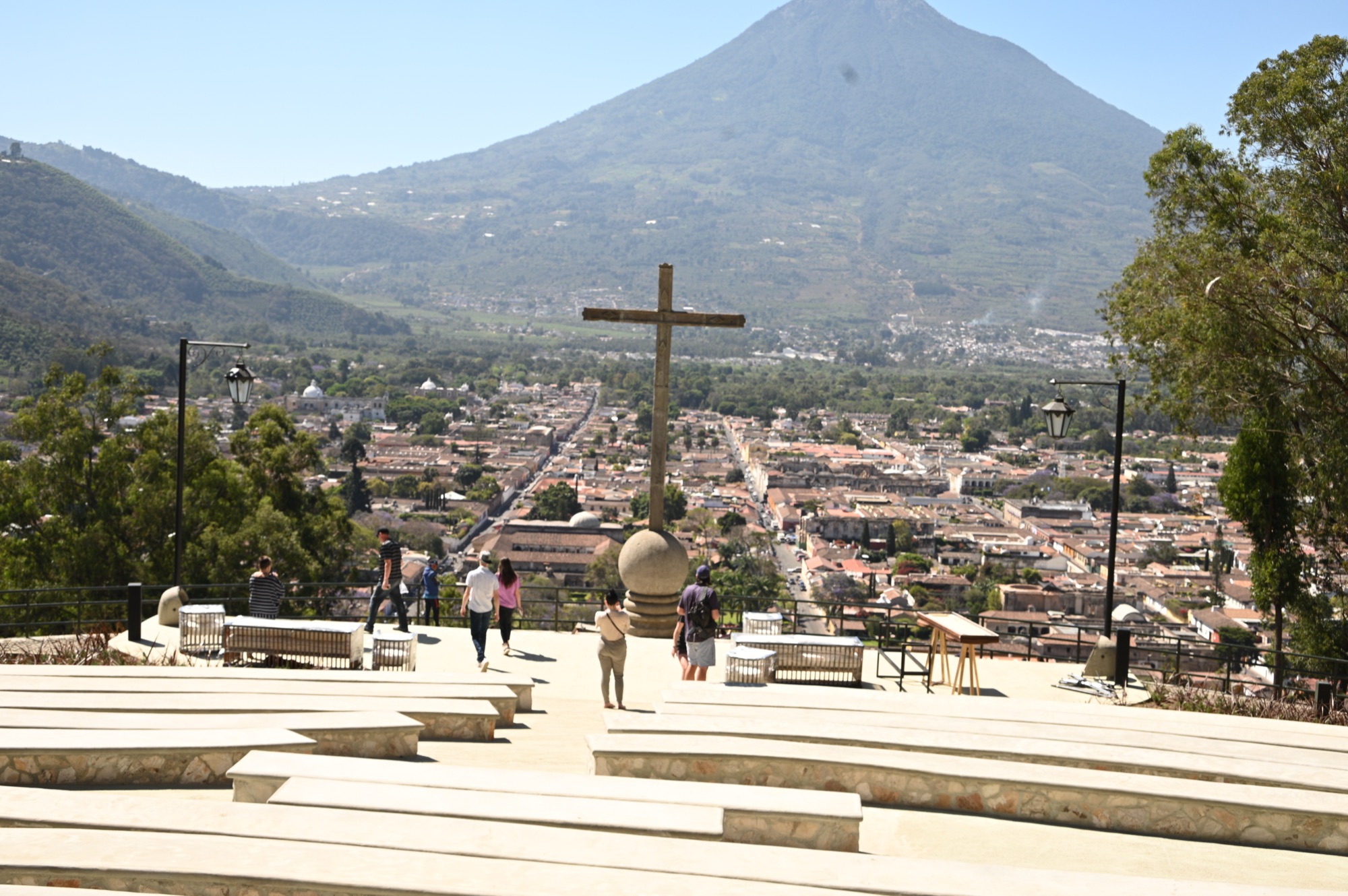
A walking day, deliberately, because you are at 1,545 m and tomorrow involves a volcano. Start at the Arch before the tour groups, then climb to the Cerro de la Cruz on the north edge of town for the classic view down the grid to Volcan de Agua. Casa Santo Domingo, the convent ruins with their museums, takes a long mid-morning; the Palacio de los Capitanes Generales is on the square; the ChocoMuseo is the easy afternoon stop. Use the day to confirm the volcano booking for tomorrow and the 08:00 shuttle to the lake on day 4 if you have not done so; the Acatenango operators ask for two to three days' notice in the December to March high season.
Day 3: Pacaya, or the Acatenango overnight
Pacaya is the volcano day that fits inside a single night in Antigua. Tour minibuses leave at 06:00 and 14:00, the whole outing takes about six hours with a two-hour hike, and the price on the Tropicana listing was US$22 plus a Q100 park entrance paid at the gate; horses are available at the base for roughly Q150 to Q250 for anyone who wants the climb without the effort. The summit is 2,552 m and the trail crosses old lava fields; in September 2026 INSIVUMEH was still reporting unrest, so ask the operator what the current bulletin allows.
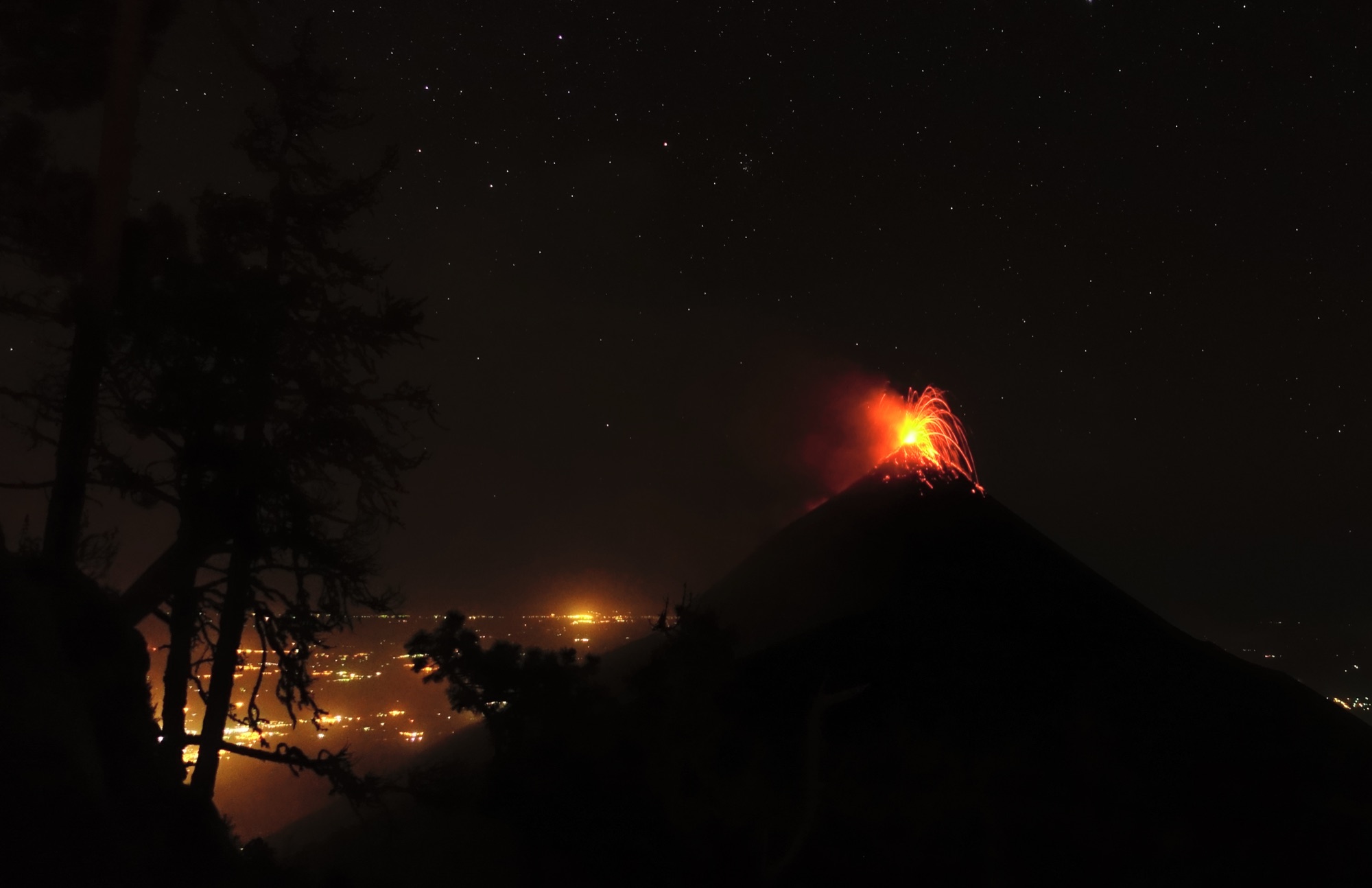
The alternative is Acatenango, the 3,976 m cone that looks straight across at Fuego. It is an overnight: up to a base camp at about 3,750 m on the first afternoon, Fuego's explosions through the night, the summit at sunrise, and back in Antigua around midday. Tropicana's regular package started at US$90 including the Q100 park and camping fee and the warm clothing; cabins with beds cost more. Night temperatures at camp are 2 to 5°C, there is no mountain rescue in Guatemala, and both the FCDO and the Canadian government say local operators tend to underestimate the risk. If you take this option the plan becomes variant B below: two hotel nights in Antigua plus the camp night, with the 12:30 or 16:00 lake shuttle on day 4.
Day 4: the shuttle to Lake Atitlan
Atitrans runs the Antigua to Panajachel shared shuttle every day at 05:30, 08:00, 12:30 and 16:00, hotel to hotel, for about US$20, and quotes three hours. The 08:00 departure gets you to the lake around 11:00 with the whole afternoon free. A routing engine returns a 77 km, 80-minute route for this leg, which by its distance is the shorter road through Godinez and Patzun; PROATUR, the tourist assistance service, advises against that road because of crime, and the shuttles use the Pan-American Highway and the descent from Solola instead. This is one of several places where the operator time and the map time disagree, and the operator is right.
Panajachel is the practical base: the shuttles start and end here, the public boats leave from the Tzanjuyu pier, and the Thursday and Sunday market shuttle to Chichicastenango departs from the town. The quieter villages, San Juan, San Marcos and Santa Cruz, cost a boat ride each way and the boats stop at dusk; the comparison article on Antigua or Lake Atitlan weighs them. For the first afternoon, Calle Santander, the pier and the Reserva Natural Atitlan nature reserve just outside town are enough.

Day 5: San Juan and San Pedro by boat
Public lanchas cross from Panajachel to the western villages in 25 to 30 minutes for about Q25 a leg, leaving when they fill, roughly from 06:00 to 17:00 (a secondary guide's figures; confirm the last boat at the pier). Go early. San Juan La Laguna is the village of women's weaving cooperatives and natural-dye workshops, with the Cerro Kaqasiiwaan viewpoint above it; San Pedro next door, the town of Spanish schools and nightlife, has the lunch. Come back by mid-afternoon: the Xocomil, the wind that builds across the lake in the late morning and afternoon, makes the return crossing rough and the boats less pleasant, and it is the reason every lake day in this plan is front-loaded.
Day 6: Chichicastenango market, or Santiago Atitlan
Chichicastenango's market runs on Thursdays and Sundays. Atitrans sells a round trip from Panajachel on those two days only, out at 08:00 and back at 14:00, about 1.5 hours each way for US$30. The town sits at 1,965 m and is noticeably cooler than the lake. Days 5 and 6 are interchangeable, so if your day 5 is a Thursday or Sunday and day 6 is not, swap them. If neither day is a market day, take the boat to Santiago Atitlan, 35 to 40 minutes across the water, and keep the afternoon free. Either way pack tonight: tomorrow starts at 05:00.
Day 7: lake to the Peten
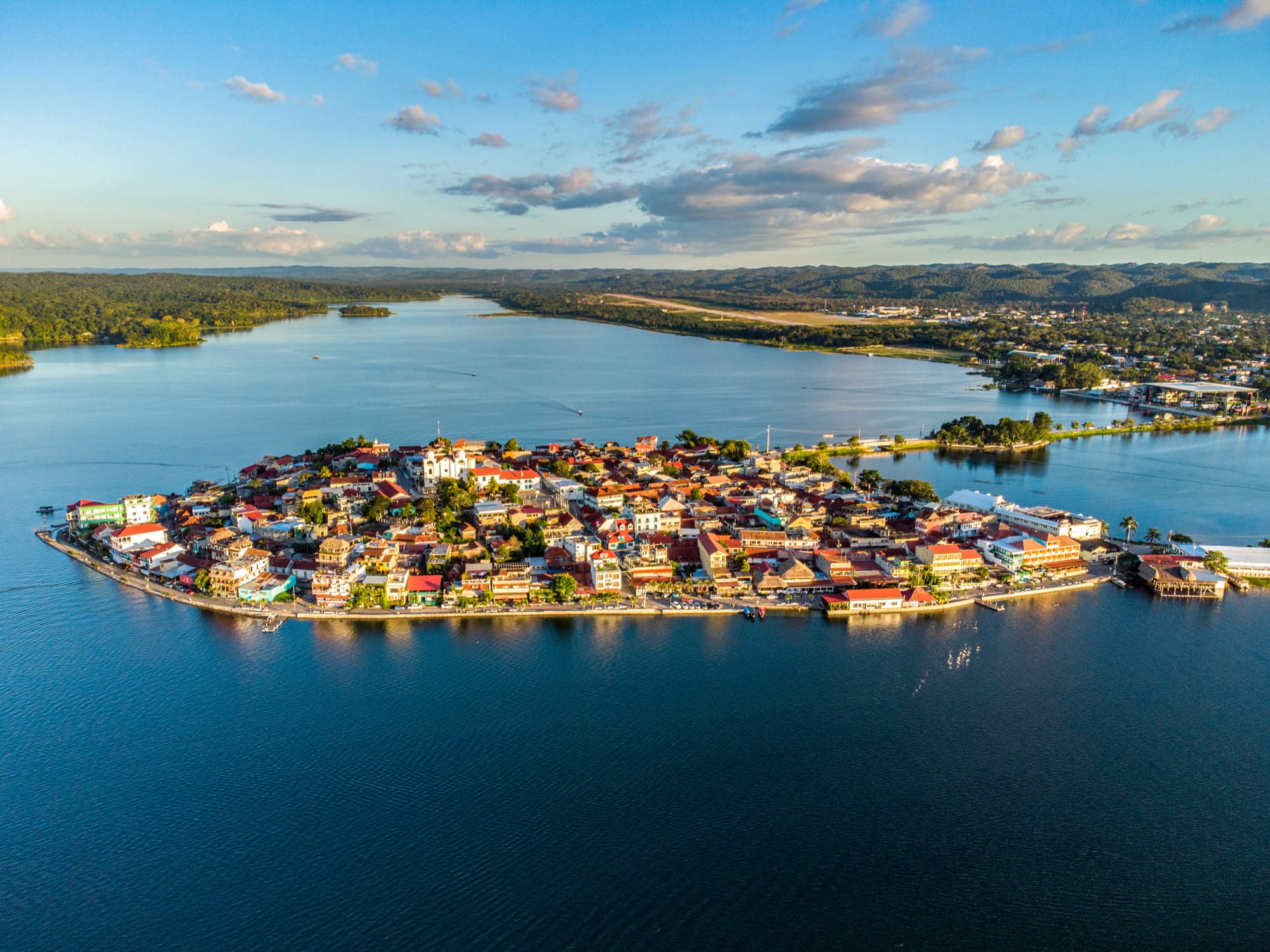
This is the long day, and the one where the alternatives matter. The shared shuttle from Panajachel to the airport leaves at 05:00 (also 09:00, 12:00 and 16:00), changes vehicles in Antigua, and Atitrans quotes approximately 6.5 hours to the zone 10 and 13 hotels and La Aurora, depending on traffic; the 05:00 departure therefore arrives at the airport around 11:30 and the flight should leave at least two and a half hours after that. A private car cuts the road time to roughly three to three and a half hours and lets you choose any flight; operators quote it by the vehicle rather than per seat, so ask for the price for your group.
TAG Airlines and Avianca Guatemala both fly Guatemala City to Flores; the flight itself is short and Mundo Maya airport is five minutes from Flores island. Neither airline's timetable is quoted here because schedules change by season; check the departure times for your date before you fix the shuttle. On the island, book the Tikal transfer or tour for tomorrow if you have not: the Flores operators ask for 48 hours' notice on shuttles. The Peten evening will feel like another country after the highlands, with January nights around 18°C instead of 11°C.
Day 8: Tikal
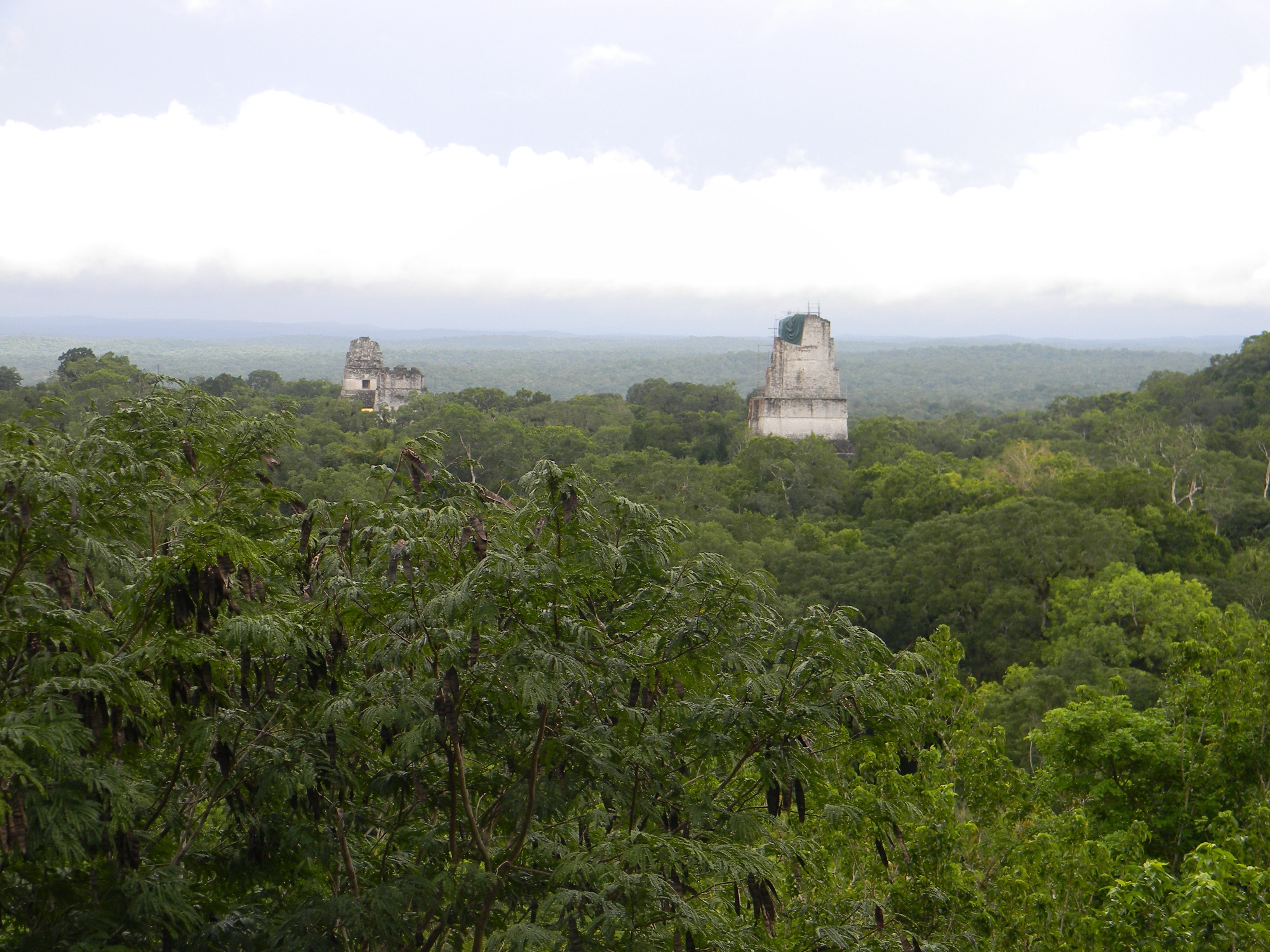
Two ways to do it. The sunrise tour picks up on the island at about 02:30, drives the hour to the park, walks in the dark to Temple IV for first light over the canopy, tours the main groups and is back in Flores by 12:30; the Adrenalina Tours listing was US$80 including transport, a certified guide and both entrance fees. The daytime option is the shared shuttle from the "I love Peten" letters at the island entrance at 06:00, 07:45, 10:00 or 12:00 (US$15 one way, US$20 return, with the return from the park at 15:15) and a guide hired at the gate or booked ahead.
The ticket rules, as published by a visitor-information site rather than an official page we could reach, are these: the park opens 06:00 to 17:00, the adult foreigner ticket is Q150, entering before 06:00 on a sunrise tour raises it to Q250, tickets bought after 15:00 are valid the next day, and children under 12 are free. Carry the quetzales, because there are no ATMs in the park. Back in Flores by early afternoon either way, the rest of the day is a swim off the island, a lake sunset and an early night.
Day 9: fly back, last night in Antigua
A morning flight to Guatemala City and the shared shuttle or a private car back to Antigua gives a last afternoon in the grid, the shops and a proper dinner. This is the positioning night: it keeps you 1.5 hours from the airport with shuttles from 04:00. If your day-10 flight leaves before about 09:00, sleep in Guatemala City's zone 10 or 13 instead (variant D) and use Uber, which publishes a city guide for the capital and airport rides and lets you reserve up to 30 days ahead.
Day 10: departure
Atitrans runs Antigua to the airport at 04:00, 07:00, 09:00, 11:00, 12:30, 15:00 and 19:00 for about US$18, or a private car at any time. Allow three hours before an international departure and take one shuttle earlier than the minimum: Canada's advice specifically mentions illegal roadblocks on the roads to La Aurora and demonstrations that disrupt traffic.
Where the nights go, and what each change costs
| Variant | Nights | What it costs or saves |
|---|---|---|
| Plan as written | Antigua 3, lake 3, Flores 2, Antigua 1 | Two internal flights; every transfer by daylight shared shuttle; one 05:00 start |
| A: bus instead of flying | Antigua 3, lake 2, Antigua 1, Flores 2, night bus or Antigua 1 | Saves the flights; costs a full daylight day each way (06:00 day shuttle Antigua to Flores, about 12 hours, US$60; or the 21:00 night bus from Santa Elena with a car on to Antigua, US$85 to 95). The lake loses a night to make room. |
| B: Acatenango instead of Pacaya | Antigua 2 + camp 1, lake 3, Flores 2, Antigua 1 | Same nights, one of them in a cabin or tent at 3,750 m; the lake shuttle moves to 12:30 or 16:00 on day 4. Needs a clean volcano bulletin and two days at altitude first. |
| C: no Tikal | Antigua 4, lake 5 | No flights and no 05:00 start; room for a second lake village and both the market and Santiago. For travellers who will not fly domestically or take a twelve-hour bus. |
| D: last night in Guatemala City | Antigua 3, lake 3, Flores 2, Guatemala City 1 | For departures before 09:00; zone 10 or 13 hotels, Uber to the airport. |
| E: Semuc Champey | +3 nights minimum | Lanquin is 7 hours by shuttle from Flores and 12 from Quetzaltenango; a worthwhile visit is two nights plus two transfer days. Not possible inside ten days without dropping the lake or Tikal. |
Weather and daylight for the season
The highland numbers come from the Guatemala City station in the WMO's climate normals, which stands in well for Antigua and the lake at similar altitude: January averages a high of 23.8°C and a low of 11.5°C with 3 mm of rain on two days; December 23.4 and 13.1°C with 7 mm; February 25.2 and 12.9°C; November is the transition month at 23.4 and 14.0°C with 43 mm on six days. The wet season runs May to October, with June and September above 230 mm. The Peten is another climate: at the Flores airport the 1991 to 2020 normals give January 29.0°C by day and 18.0°C at night with 66 mm on eight rain days, and February and March drier and hotter. Daylight in mid-January is 06:30 to 17:54 in Antigua and a few minutes shorter in Flores, which is why every lake crossing and every transfer in this plan is a morning move. The Guatemala in January article covers the month by region, including the Peten's smoke season and the cold Acatenango nights.
Transport rules the plan depends on
Every leg above uses a scheduled tourist shuttle, a public boat, a tour vehicle or a flight, and the reasons are in the advisories rather than in comfort. The FCDO and Canada both say to avoid the local chicken buses; both name the isolated roads around the lake as places with little police presence; and the FCDO passes on PROATUR's routing advice for the lake approaches. The shuttles are not luxurious and the Flores operator's own page says they are not punctual, so be at the pick-up point fifteen minutes early with one bag and one hand bag, which is the published allowance. The full breakdown of each transfer, with the private-car and bus prices, is in Antigua to Lake Atitlan and Flores: how to plan the long transfers.

Booking order
- International flights into and out of Guatemala City, then the GUA to Flores flights for days 7 and 9 once the dates are fixed.
- Hotels: Flores island (a small island with limited rooms), Antigua for the December to March high-season weeks, then the lake.
- The Acatenango overnight if you want it (two to three days' notice in high season, longer at Christmas), otherwise Pacaya a day or two ahead.
- Shared shuttles for days 1, 4, 7 and 10 as soon as the flights are fixed; the Chichicastenango shuttle only once you know which day is a Thursday or Sunday.
- The Tikal tour or shuttle 48 hours before day 8.
What this route leaves out
Semuc Champey and the Rio Dulce, the Pacific surf at El Paredon, Quetzaltenango and the western highlands, and Yaxha near Tikal all fall outside ten days on this structure. The easiest additions, in order, are a second Tikal-area day for Yaxha (one more Flores night) and a fourth Antigua night for the Acatenango overnight without shortening anything else. Travellers combining Guatemala with Mexico's Yucatan or with Belize should look at the Flores shuttle connections northwards rather than backtracking to the capital; our 10-day Yucatan itinerary starts where those roads end.
10-day Guatemala itinerary FAQ
Is ten days enough for Antigua, Lake Atitlan and Tikal?
Should I fly or take the bus to Tikal?
Which is the best base at Lake Atitlan?
Can I do Acatenango in this itinerary?
How much does Tikal cost?
Is Guatemala safe for this route?
Where should I spend the last night?
Photo credits
Hero: the Santa Catalina Arch and Volcan de Agua by Chad Davis, CC BY-SA 2.0, via Wikimedia Commons. Cerro de la Cruz by amslerPIX, CC BY 2.0, via Wikimedia Commons. Fuego from Acatenango by Saraedum, CC BY-SA 4.0, via Wikimedia Commons. Volcan San Pedro from Panajachel by Arian Zwegers from Brussels, Belgium, CC BY 2.0, via Wikimedia Commons. Flores island by Juan Francisco, CC BY-SA 2.0, via Wikimedia Commons. Tikal from Temple IV by Laslovarga, CC BY-SA 3.0, via Wikimedia Commons. Antigua bus by Chad Davis, CC BY 2.0, via Wikimedia Commons. All resized.