


On this route
Most ten-day Guatemala plans end up with one night that could go either way: a fourth in Antigua or a fourth at Lake Atitlan. The two places are three hours apart by shared shuttle, both sit at about 1,550 m with the same dry-season weather, and both are good enough that nobody regrets the extra night in either. The choice is therefore about what the night buys, and that depends on three things: how you are getting around, which weekday the night falls on, and whether you would rather spend it on a volcano or on the water.
Short version: give the extra night to Antigua if you want the Acatenango overnight, or if your trip ends with an early flight and you need to be near the airport anyway. Give it to the lake if the extra day lands on a Thursday or Sunday (the Chichicastenango market), if you want a second village base such as San Juan or San Marcos, or if you would rather spend the day on a boat than in a minibus. The reasoning is below, followed by what each answer does to the nights in the 10-day itinerary.
What the two places are for
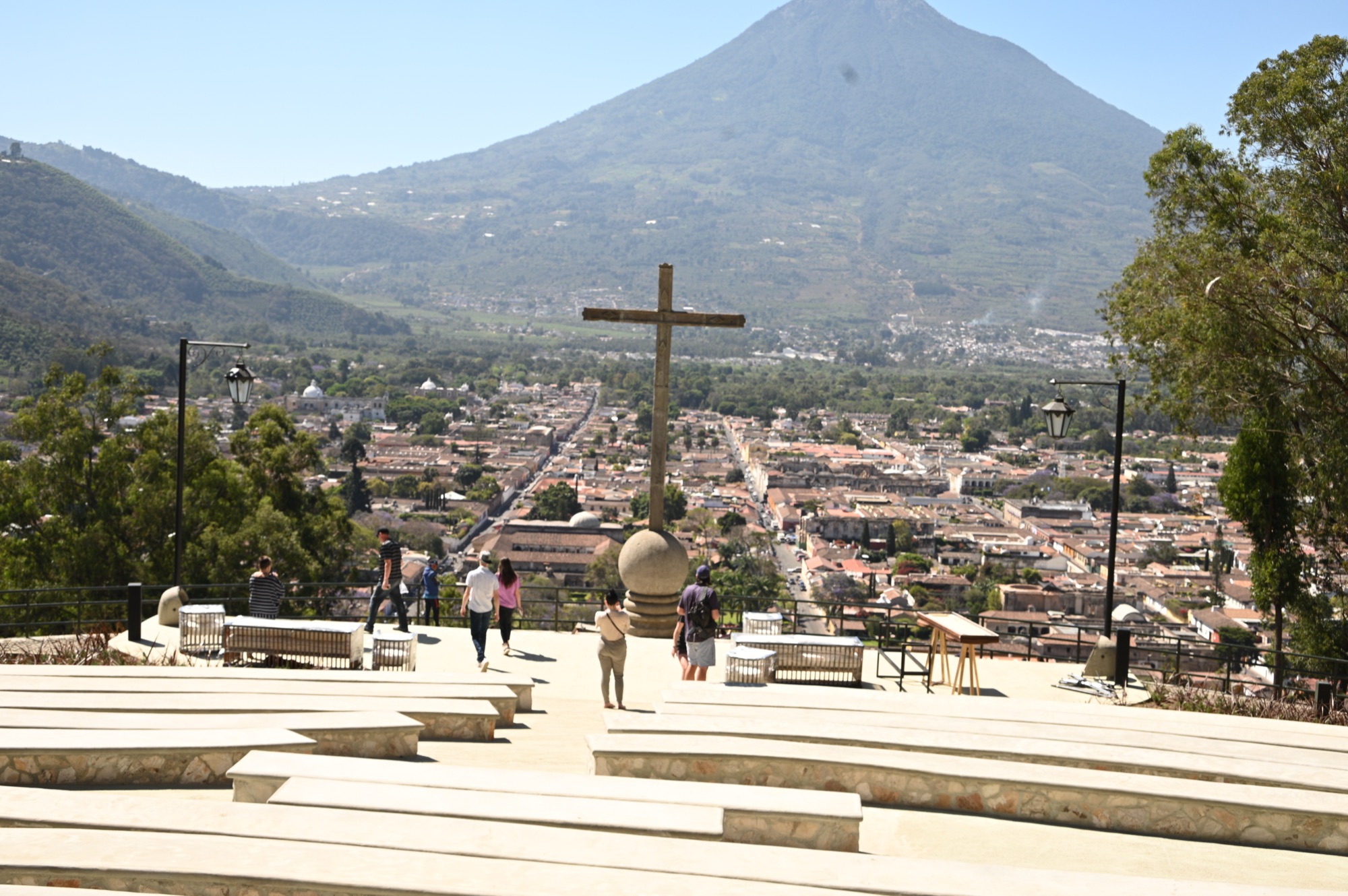
Antigua is a walking town. The colonial grid is small, the sights (the Santa Catalina Arch, the Cerro de la Cruz viewpoint, Casa Santo Domingo, the ruined churches and the square) are all within a kilometre or two of each other, and the town is the base for the two volcano hikes: Pacaya as a half day (06:00 or 14:00 departures, about six hours, US$22 plus a Q100 park fee) and Acatenango as an overnight at 3,750 m (from US$90 with the fee and the warm clothing). It is also the practical end of the trip: 1.5 hours from La Aurora airport by shared shuttle, with departures from 04:00. What Antigua does not have is space: an extra day there is another walking day, a cooking class, a coffee farm, or a hike.
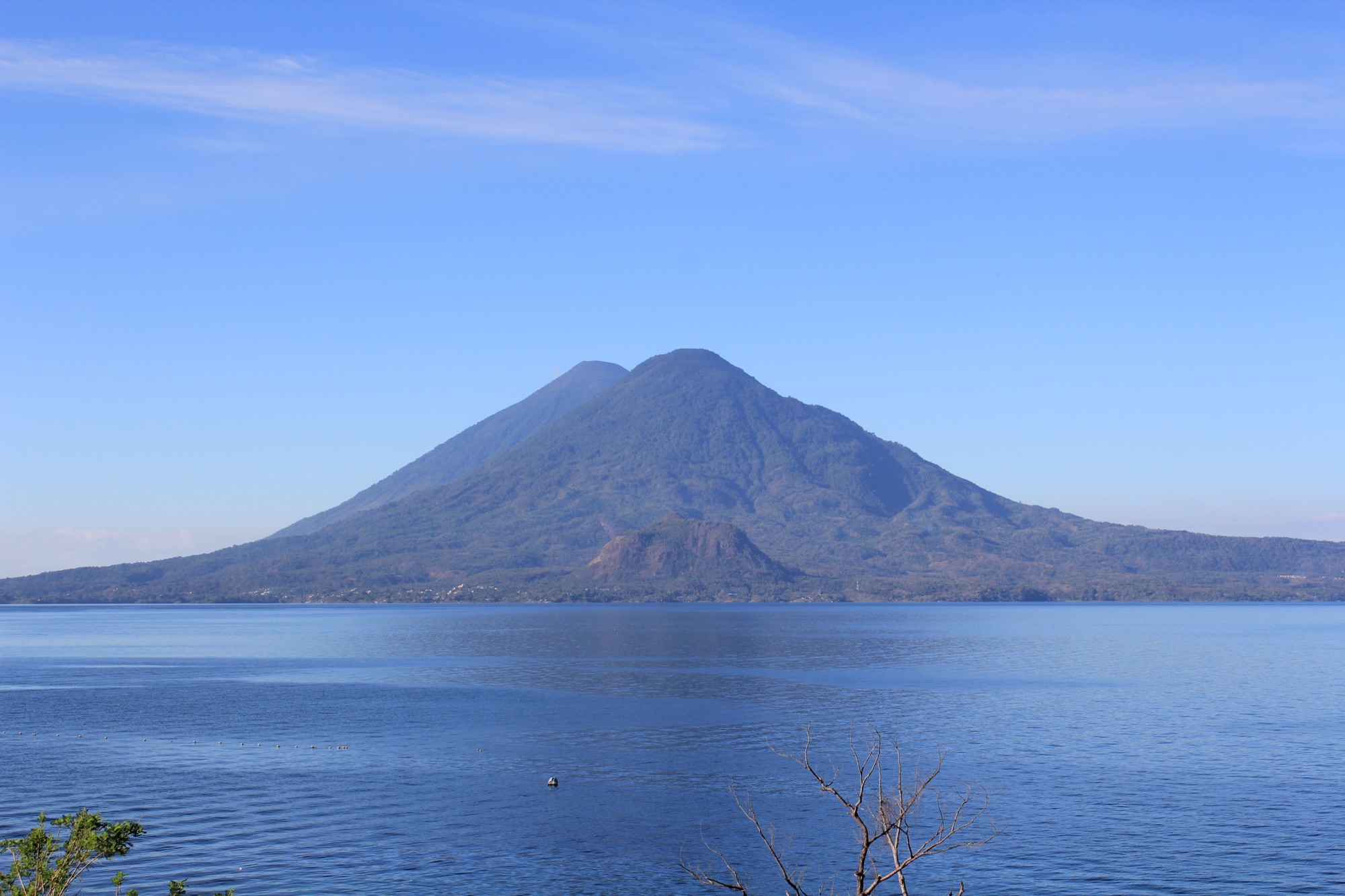
Lake Atitlan is a water town, or rather a dozen of them. Panajachel is where the shuttles and the market trip start and where the public boats leave from; San Juan, San Pedro, San Marcos, Santa Cruz and Santiago are each 15 to 40 minutes away by lancha for about Q25. A day there is a morning on the boats and an afternoon in one place, because the Xocomil wind picks up across the lake in the late morning and afternoon and the boats stop around 17:00. What the lake does not have is an airport within reach: the shared shuttle to La Aurora takes about 6.5 hours, so the lake can never be the last base.
The decision by criterion
| If this matters most | Extra night in | Because |
|---|---|---|
| The Acatenango overnight | Antigua | The hike needs two acclimatisation days and a night away; with only three Antigua nights it squeezes the town to one full day. A fourth night restores it. |
| Chichicastenango market | Lake (if the night is a Wednesday or Saturday) | The market is Thursdays and Sundays; the Panajachel shuttle runs the round trip only on those days (08:00 to 14:00, US$30, 1.5 h each way). |
| A second village base | Lake | Two nights in San Juan or San Marcos after two in Panajachel; the boats make the move a 30-minute hop. |
| An early flight home | Antigua (or Guatemala City) | The airport shuttle from Antigua leaves from 04:00 and takes 1.5 h; from the lake it is 6.5 h. A departure before 09:00 means zone 10 or 13 in the capital. |
| Fewer minibus hours | Lake | A lake day is boat time; an Antigua day out (Pacaya, a coffee farm) is minibus time. |
| Nightlife, restaurants, shopping | Antigua | The larger town with the wider choice of restaurants and shops. |
| Cold sensitivity | Neither decides it | Both are about 1,550 m with January lows around 11°C; Chichicastenango at 1,965 m is colder, the Acatenango camp is 2 to 5°C. |
Which lake base, if the lake wins
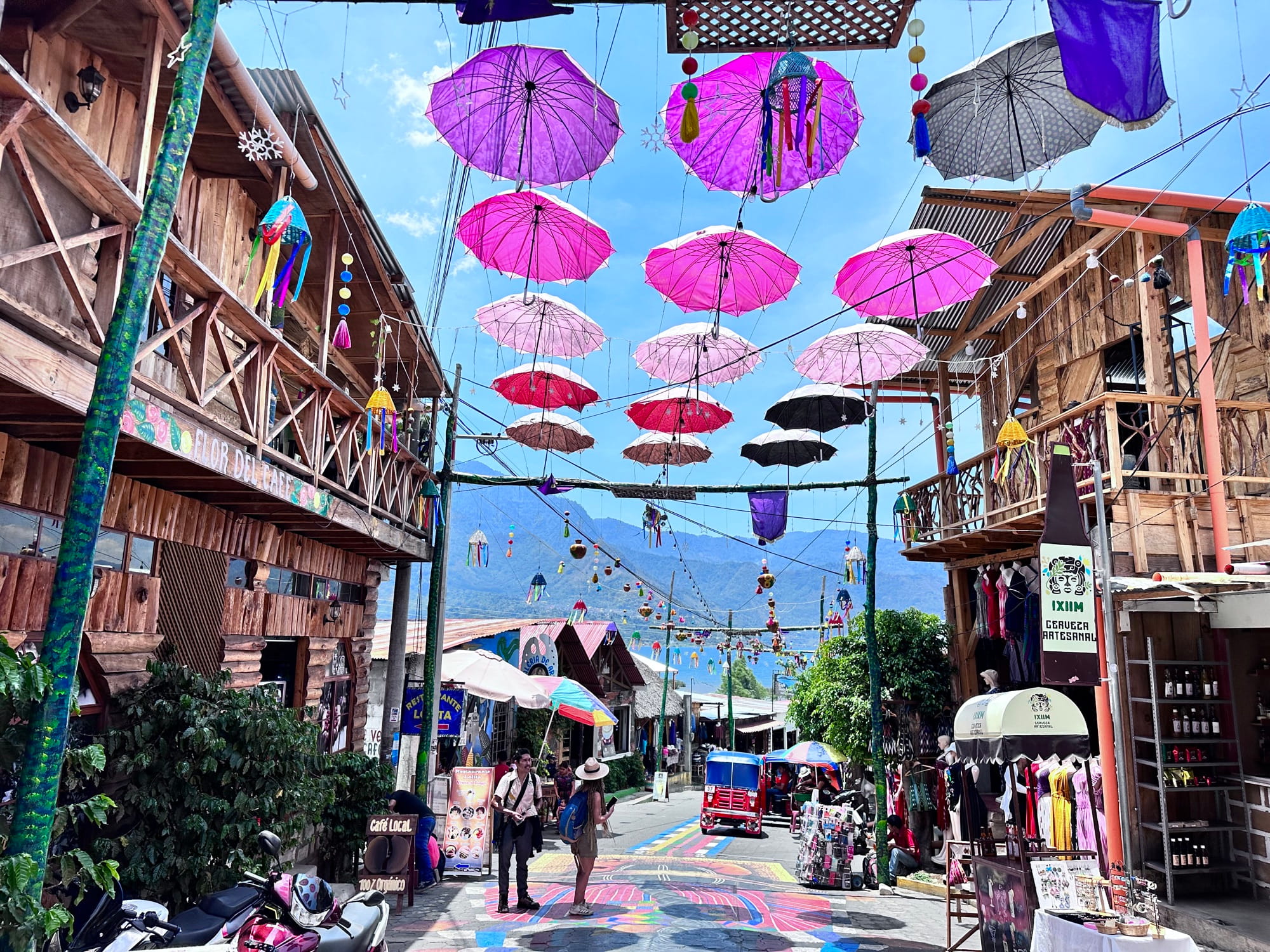
Panajachel is the default for a short stay because the logistics are there: the Antigua shuttle arrives at the hotels or the Tzanjuyu pier, the market shuttle leaves from the town, and every village boat starts at its dock. It is also the most developed of the lake towns, with Calle Santander as its main tourist strip. San Juan La Laguna, 30 minutes across the water, is the village of women's weaving cooperatives and natural-dye workshops, with a viewpoint above it and a local rule that keeps outsiders from buying land; San Pedro next door is the one with the Spanish schools and the nightlife; San Marcos and Santa Cruz are the smaller, quieter shores 15 to 25 minutes from Panajachel. Atitrans also runs a direct shuttle from Antigua to the San Pedro pier at 09:00 and 14:00 (4.5 hours, from US$20), so a lake-first traveller who wants to skip Panajachel altogether can. The trade-off with any village is that the day ends with the last boat, and on a windy afternoon that boat is unpleasant; the FCDO passes on PROATUR's advice that the water is nonetheless safer than the isolated shore roads.
What the extra Antigua night is for
An honest list, because the town itself is done in two days. The Acatenango overnight is the big one: up on the first afternoon, Fuego through the night, the summit at 3,976 m at sunrise, back around midday, and it needs a hotel night on each side. Pacaya is the half-day version. Beyond the volcanoes, the extra day is a coffee-farm visit, a cooking or chocolate class, the valley villages such as Ciudad Vieja, or nothing at all, which in a town with this many courtyards is not a bad plan. It is also the day that absorbs a volcano cancellation: Fuego erupted on 3 and 4 August 2026 and Pacaya has been in unrest since early 2026, and INSIVUMEH and CONRED decide access on the day.
What each answer does to the nights
The base plan is Antigua 3, lake 3, Flores 2 and a final Antigua night. Giving the lake the extra night means Antigua 2 at the start, which still fits the walking day and Pacaya but not Acatenango, and the lake 4, which fits the market, two villages and a rest morning. Giving Antigua the extra night means the lake drops to 2, which is one boat morning and either the market or Santiago, not both. Neither version changes the Peten leg or the last night. If the nights are not fixed yet, the cleanest solution is the one in the itinerary: keep three and three, make the lake days 5 and 6 interchangeable so one of them lands on a market day, and use the Acatenango variant only if the volcano bulletins are clean. How the shuttle times fall on each of those days is in the transfers article, and what the month does to the lake wind and the volcano nights is in Guatemala in January.
Antigua or Lake Atitlan FAQ
Is Antigua or Lake Atitlan better for a first trip?
How far is Antigua from Lake Atitlan?
Can I stay at Lake Atitlan on my last night?
Which town should I stay in at Lake Atitlan?
How many days do I need in Antigua?
Is Chichicastenango worth it from the lake?
Photo credits
Hero: Volcan San Pedro from Panajachel by Arian Zwegers from Brussels, Belgium, CC BY 2.0, via Wikimedia Commons. Toliman and Atitlan from Panajachel by Arian Zwegers from Brussels, Belgium, CC BY 2.0, via Wikimedia Commons. San Juan La Laguna by MHernandezp05, CC BY-SA 4.0, via Wikimedia Commons. Cerro de la Cruz by amslerPIX, CC BY 2.0, via Wikimedia Commons. All resized.