


On this route
Winter is a good time for Seville, Cordoba and Granada, and the reason is not that it is warm. It is that the three cities are built around courtyards, palaces and short walks between them, the crowds of Easter and October are gone, and the Alhambra is easier to book than in spring or autumn. What winter does change is the shape of a day: the monuments close at 17:00 and 18:00, the sun sets before half past six, and Granada wakes up at or below freezing while Seville, 200 km west and 500 metres lower, rarely does. This article gives you the station numbers from AEMET, the daylight hours, the closing times and the holiday closures, and then says what to change in a plan built for spring. The plan itself, with the trains, is in the 7-Day Andalusia Itinerary by Train.
The three cities by the numbers
These are the climate normals that AEMET publishes for the three airport stations (period 1981 to 2010): monthly mean temperature, mean daily high and low, rainfall and the number of days with at least 1 mm of rain. Granada's station sits on the Vega at 560 metres; the Albaicin and the Alhambra are higher and a little colder still.
| City and month | Mean | High / low | Rain | Rain days | Frost days |
|---|---|---|---|---|---|
| Seville, November | 15.1 | 20.2 / 10.0 | 91 mm | 6.4 | 0.0 |
| Seville, December | 11.9 | 16.6 / 7.3 | 99 mm | 7.5 | 0.5 |
| Seville, January | 10.9 | 16.0 / 5.7 | 66 mm | 6.1 | 1.8 |
| Seville, February | 12.5 | 18.1 / 7.0 | 50 mm | 5.8 | 0.7 |
| Cordoba, November | 13.5 | 19.1 / 7.8 | 80 mm | 5.9 | 0.6 |
| Cordoba, December | 10.4 | 15.3 / 5.5 | 111 mm | 8.1 | 3.3 |
| Cordoba, January | 9.3 | 14.9 / 3.6 | 66 mm | 7.2 | 6.6 |
| Cordoba, February | 11.1 | 17.4 / 4.9 | 55 mm | 6.1 | 3.0 |
| Granada, November | 10.6 | 17.0 / 4.2 | 54 mm | 6.8 | 4.8 |
| Granada, December | 7.6 | 13.4 / 1.7 | 56 mm | 7.4 | 12.4 |
| Granada, January | 6.5 | 13.0 / 0.0 | 42 mm | 5.6 | 16.8 |
| Granada, February | 8.5 | 15.4 / 1.6 | 38 mm | 5.9 | 9.9 |
What the numbers mean on the ground
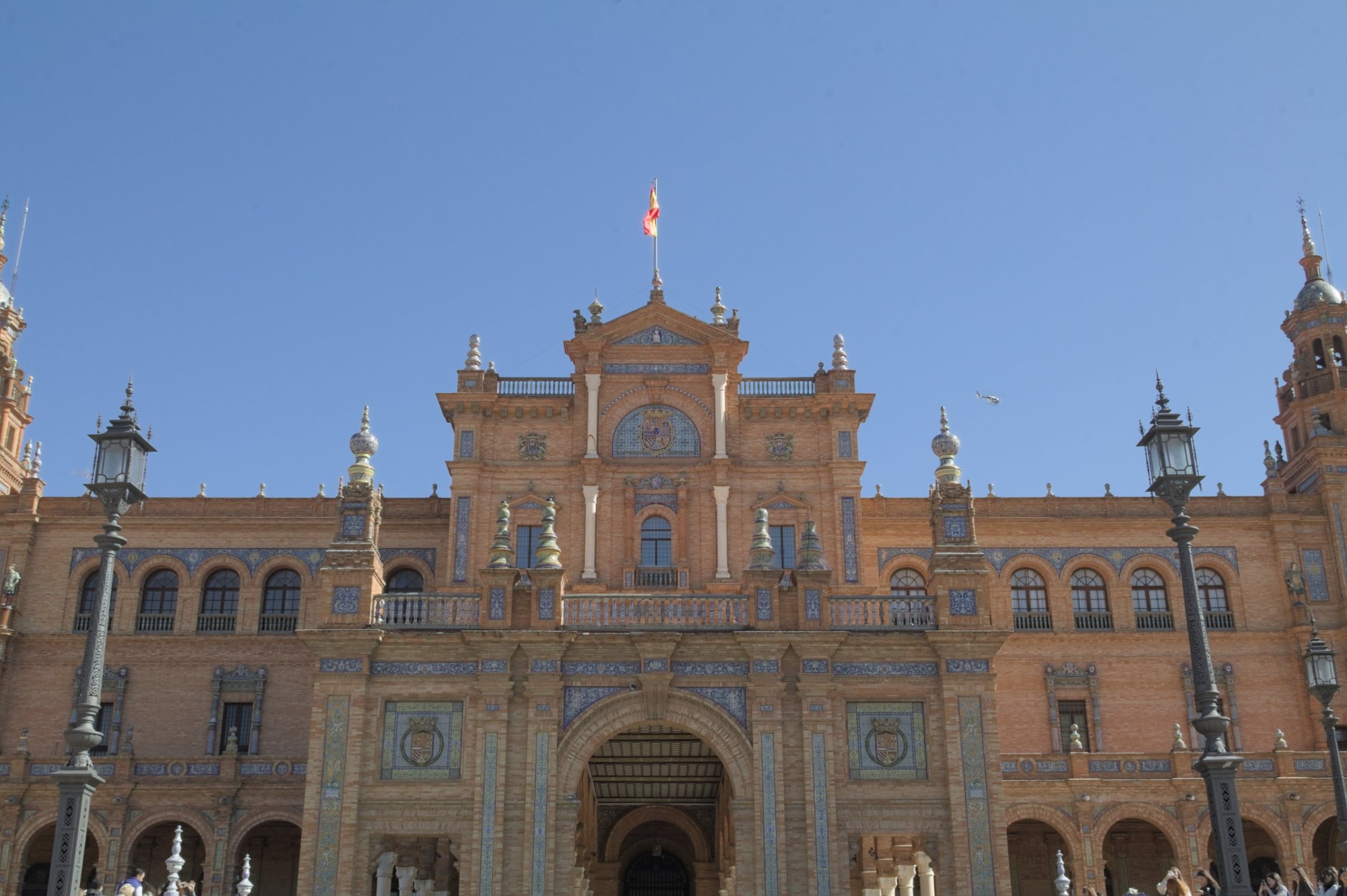
Seville is the mild one. Even in January the mean high is 16 degrees, frost is rare (fewer than two mornings a month) and the wet season is more about a few heavy days than constant drizzle: six or seven days with rain in a month of 31, with December the wettest at 99 mm. A winter afternoon in the Alcazar gardens or on the Plaza de Espana is usually jacket weather, not coat weather.
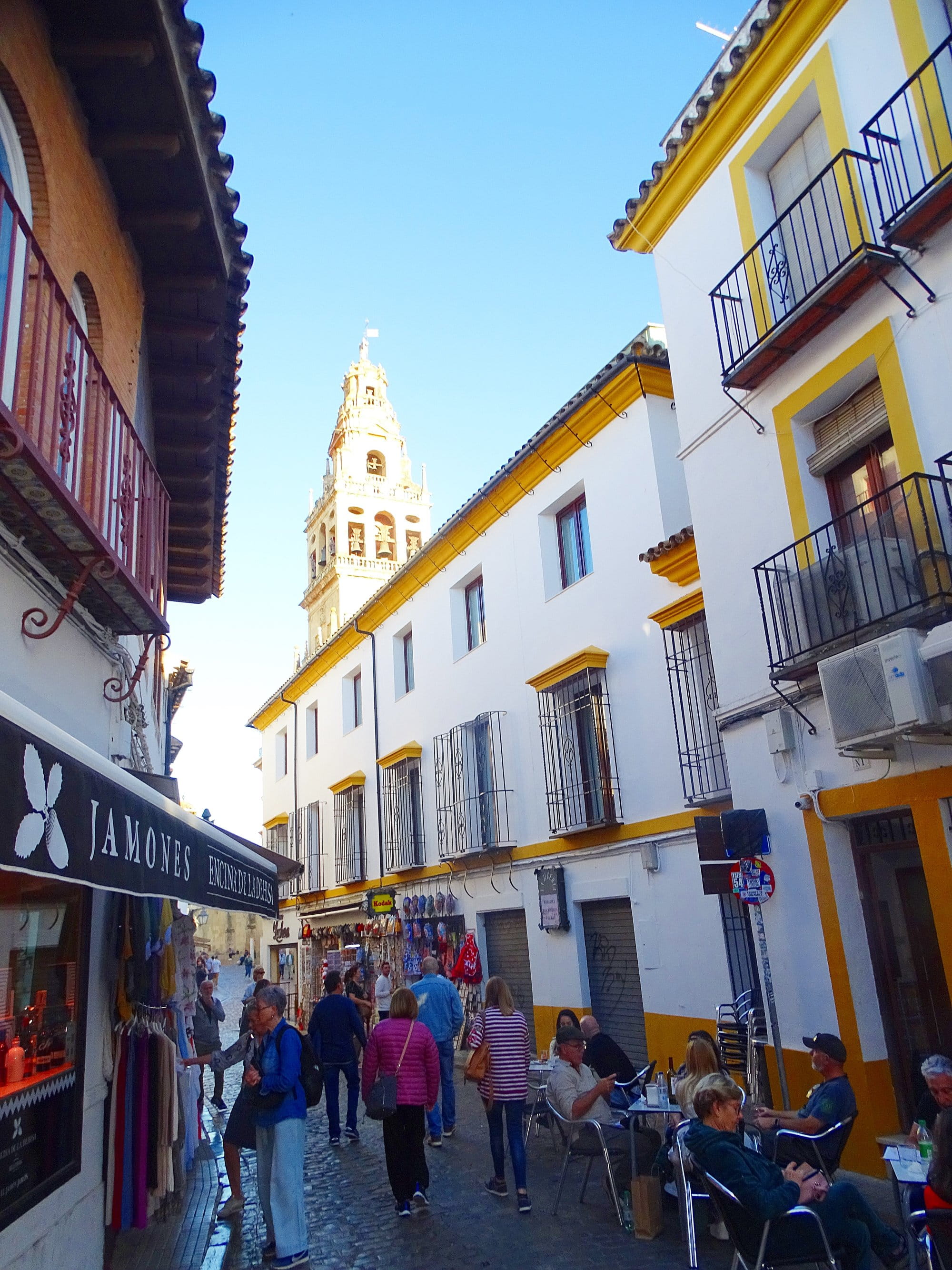
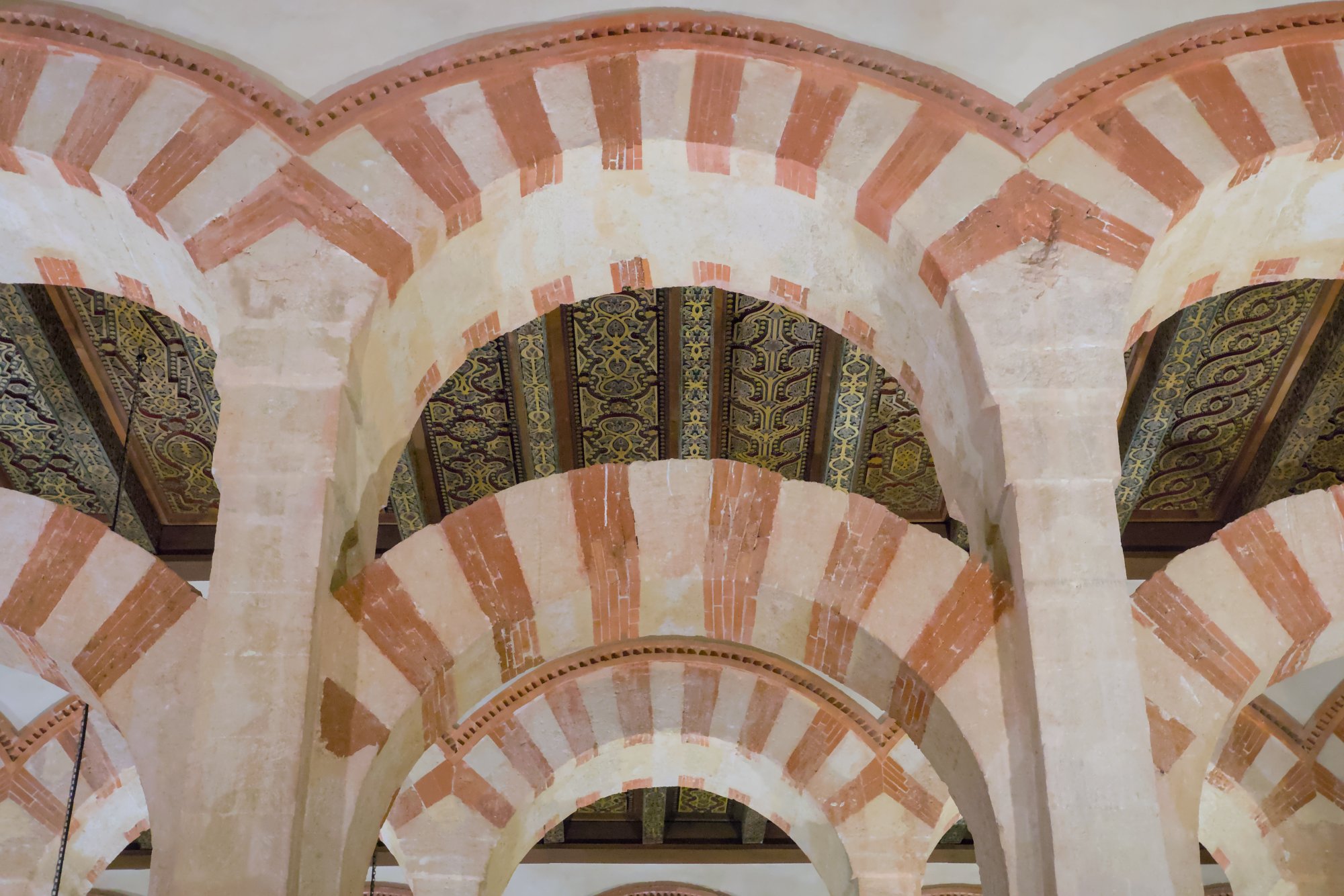
Cordoba is Seville with colder nights and more fog. Its December is the wettest month of the three cities (111 mm, eight rain days), and January brings 6.6 frost mornings and nearly three fog days on average; the Guadalquivir valley holds cold air, so an 08:30 walk across the Roman bridge can be grey and 3 degrees while the afternoon reaches 15. The Mosque-Cathedral is sheltered and lit the same way whatever the weather, which is one reason it is the perfect wet-day building.
Granada is the cold one, and also the dry one. Its airport station averages 6.5 degrees in January with a mean minimum of exactly zero and almost seventeen frost days; December has twelve and even November nearly five. But rainfall is lower than in Seville (42 mm in January against 66) and the days are often clear and bright, with the Sierra Nevada white above the city from December onwards. Plan for two Granadas: a sharp, sunny morning that needs gloves on the walk up to the Alhambra, and an afternoon at 13 degrees that feels like spring in the Generalife.
Daylight and closing times
Spain stays on Central European Time from the last Sunday of October, which pushes sunrise late: in mid-December the sun rises in Seville at 08:31 and sets at 18:07, and in Granada at 08:21 and 17:58. That is about nine and a half hours of daylight, rising to nearly eleven by mid-February. The monuments follow: the Alhambra runs 08:30 to 18:00 from 15 October to 31 March, the Real Alcazar 09:30 to 17:00 from 1 October to 31 March, and Seville Cathedral closes its ticket office at 18:00 all year. The Mosque-Cathedral's winter hours are published on its own hours tool only a few weeks ahead; through October it showed 10:00 to 19:00, and the November to February hours had not been posted when we checked on 22 September 2026.
| Date | Seville | Cordoba | Granada |
|---|---|---|---|
| 15 November | 08:03 to 18:14 | 07:59 to 18:08 | 07:53 to 18:05 |
| 15 December | 08:31 to 18:07 | 08:27 to 18:01 | 08:21 to 17:58 |
| 15 January | 08:37 to 18:30 | 08:34 to 18:24 | 08:27 to 18:21 |
| 15 February | 08:14 to 19:03 | 08:10 to 18:58 | 08:04 to 18:54 |
Holidays and closures between December and January
The Christmas and New Year period is the only part of winter with monument closures, and the cities are busier then. The closures are few but exact.
| Date | What is closed or changed |
|---|---|
| 4 to 7 December | Seville Cathedral cultural visit limited to the Giralda climb and the Fons Pietatis exhibition |
| 8 December | No cultural visit at Seville Cathedral (Immaculate Conception) |
| 24 December | Medina Azahara closed |
| 25 December | Alhambra closed; Real Alcazar closed; Medina Azahara closed |
| 31 December | Medina Azahara closed |
| 1 January | Alhambra closed; Real Alcazar closed; Medina Azahara closed |
| 5 January | Three Kings parades in the evening in all three cities: central streets closed, restaurants full |
| 6 January | Public holiday; Real Alcazar closed; Medina Azahara closed; the Alhambra is open |
| Every Monday | Medina Azahara closed (except the eve of a holiday) |
| Sunday mornings | Seville Cathedral opens to visits at 14:30; the Mosque-Cathedral is used for Mass at 12:00 and 13:30 |
Medina Azahara's list is the 2026 one; the fixed dates repeat every year but the Andalusian regional calendar can add a Monday opening or a local holiday, so check the site's general information page if you plan a Cordoba day trip around New Year. The Alhambra also marks 16 November, World Heritage Day, with free activities for which access is by invitation; if your visit falls on that date, read the ticket-site notice first.
Month by month
November
The best compromise of the four months. Seville still averages 15 degrees with highs of 20, Granada 10.6 with highs of 17, and the monuments have already switched to winter hours from mid-October, so the day structure is the same as in January but with two more hours of daylight and afternoons warm enough for a terrace. Rain is the price: November is Seville's second-wettest month at 91 mm. On the trains, November is also the month for which timetables are fully published, which makes it the easiest to book precisely.
December
The wettest month in Seville and Cordoba and the darkest of the year. The first three weeks are quiet; over Christmas and New Year the closures above apply and the cities fill up. If you travel in December, build the Cordoba to Granada train around a 15:00 arrival, not 17:00, because sunset is at 17:58 and the Albaicin viewpoints are the one thing you cannot do the next morning without changing the whole day.
January
The coldest month, and after 7 January the emptiest. Granada's mean minimum is zero; Cordoba has cold and sometimes foggy mornings; Seville's afternoons are still 16 degrees. January is also, with February, one of the two driest months in Granada, and booking guides advise the shortest lead times for the Alhambra in low season, which makes it a good month for anyone whose trip is built around the Nasrid Palaces. The only reason to avoid it is the first week, when the Three Kings holiday pushes prices up and closes the Alcazar on the 6th.
February
Daylight returns (19:03 sunset in Seville by mid-month), rainfall drops to 50 mm in Seville and 38 mm in Granada, and the orange trees in Seville's streets are in fruit. The mean high is back to 18 in Seville and 15 in Granada. Frost mornings in Granada fall to about ten. February is the month to choose if you want the winter prices and availability with more of the day to use.
What to change in a plan built for spring
Put the ticket first, the walk last. Book the Alcazar for 09:30 and the Alhambra's Nasrid slot for the morning where you can; use the last hour of light for the Roman bridge, the Setas or San Nicolas. In summer you can do the reverse; in winter you cannot.
Move the train earlier. The Cordoba to Granada leg had nine trains a day on the November and December 2026 dates we checked, with no departures between 10:44 and 13:06 or between 15:21 and 18:35. The 13:06 Avant (arriving 14:55) is the winter train; the 15:21 AVE arrives at 16:58, which is after sunset in December. The full list is in Seville, Cordoba and Granada by Train.
Keep a buffer day in Seville, not in Granada. Seville has more indoor options for a wet day (the Cathedral, the Alcazar's covered rooms, the Museo de Bellas Artes, the Casa de Pilatos) and the mildest afternoons, so a lost day costs least there. If you have a seventh night, the winter case for where it goes is in Seville or Granada: Where Should You Spend the Extra Night?
Check the Alhambra's status, not just its hours. After the earthquakes of 15 and 18 August 2026, the Alcazaba was still closed on 22 September, the Nasrid Palaces were on a special route and two Albaicin monuments were shut. The Patronato posts updates on its ticket site; read them the week before you go.
The rainy-day plan, city by city
- Seville: the Cathedral (Monday to Saturday 10:45 to 19:00), the Alcazar's palace rooms, the Casa de Pilatos, the Museo de Bellas Artes, and the covered market at Triana. The Plaza de Espana is worth seeing in rain too; its arcade is dry.
- Cordoba: the Mosque-Cathedral (15 euros, or free from 08:30 to 09:30 Monday to Saturday), the Calahorra tower museum at the far end of the Roman bridge, and the covered patios of the Juderia's houses. Medina Azahara is mostly open air; save it for a dry day, and never a Monday.
- Granada: the Nasrid Palaces are roofed, the Generalife is not; the Cathedral and Royal Chapel are the wet-morning pair, and a hammam is the winter afternoon Granada does better than anywhere else on the route.
Packing for three climates in one week
You are packing for a 16-degree afternoon in Seville and a 0-degree morning in Granada in the same bag. A warm layer that compresses, a waterproof shell rather than an umbrella (the Alhambra's paths are exposed and windy), shoes that cope with wet marble and cobbles, and gloves for the Albaicin at dawn. Nothing formal is required anywhere on the route. Leave the large suitcase idea at home if you are travelling on Avlo, which allows one hand bag and one cabin case per person; the AVE and Avant allow three pieces.
Frequently asked questions
Is Andalusia warm in winter?
How much does it rain in Seville in December?
How cold is Granada in January?
What time does it get dark in Seville in winter?
Is the Alhambra open at Christmas?
Do I need to worry about the Granada earthquakes?
Photo credits
Hero: the Sierra Nevada from the Alhambra in January by michael clarke stuff, CC BY-SA 2.0. Plaza de Espana by o_andras, CC BY-SA 4.0. Cordoba's Juderia by Jose A., CC BY 2.0. Mosque-Cathedral interior by Benjamin Smith, CC BY-SA 4.0. All via Wikimedia Commons, resized.